You talk.
We handle everything
around it.
From planning and editing to video, distribution, clips and promotion, Tasking Studio helps turn a podcast into a consistent content operation.
A podcast doesn't end
when the conversation does.
A podcast is content — and an operation.
A consistent podcast needs more than a good first episode.
Before production becomes routine, it helps to define what the show is, who it is for, how it should feel and how each episode fits into the larger idea.
Who should care about these conversations?
What central topic or point of view connects the episodes?
Interview · Solo · Conversation · Panel · Educational · Narrative
The production schedule should be realistic.
Audio platforms · YouTube · Social media · Email · Website · Existing audience
Editing · Publishing · Clips · Promotion · Archive
Build a repeatable show, not a one-time production.
From the episode idea
to the places people find it.
Tasking Studio can support individual parts of the podcast process or connect multiple parts into one ongoing production system.
Podcast Strategy & Planning
Define the show structure, production rhythm and content approach before the workflow becomes repetitive.
Pre-Production
Prepare each episode so recording and editing begin with clear direction.
The cleaner the preparation, the easier the production.
Audio Editing
Shape the recording into a cleaner, focused listening experience.
Video Podcast Editing
Turn recorded conversations into polished long-form video for YouTube and other visual platforms.
Episode Packaging
Prepare the visual and written elements each episode needs before publishing.
Publishing & Distribution
Prepare and distribute episodes across the platforms where the audience listens and watches.
Platform availability depends on the client's hosting setup.
Podcast Clips
Turn strong moments from long-form conversations into short-form content designed to stand on its own.
Social Content
Extend the episode into additional visual and written content for the platforms where the audience spends time.
Podcast Website & Digital Support
Give the show a digital home where audiences can understand the podcast, explore episodes and access related content.
Email & Audience Communication
Use email to keep the podcast connected with people beyond the listening platform.
Record once.
Build everything around it.
Define the topic, guest, structure and production requirements.
Record audio and video according to the show's setup.
Clean the audio, organize the conversation and build the final episode.
Create titles, descriptions, thumbnails, artwork and supporting assets.
Prepare and distribute the audio and video versions.
Turn useful sections into clips, posts and promotional content.
Use social, email, website and other relevant channels around the episode.
The production workflow resets for the next episode without rebuilding the process from zero.
A consistent show needs a consistent system behind it.
One conversation
can feed an entire
content system.
Use the strongest ideas more than once — without repeating them the same way everywhere.
The number of useful assets depends on the source material and engagement scope — not a fixed package.
The conversation
can live in both worlds.
Audio remains the core podcast experience, while video creates additional ways to discover, watch and repurpose the same conversation.
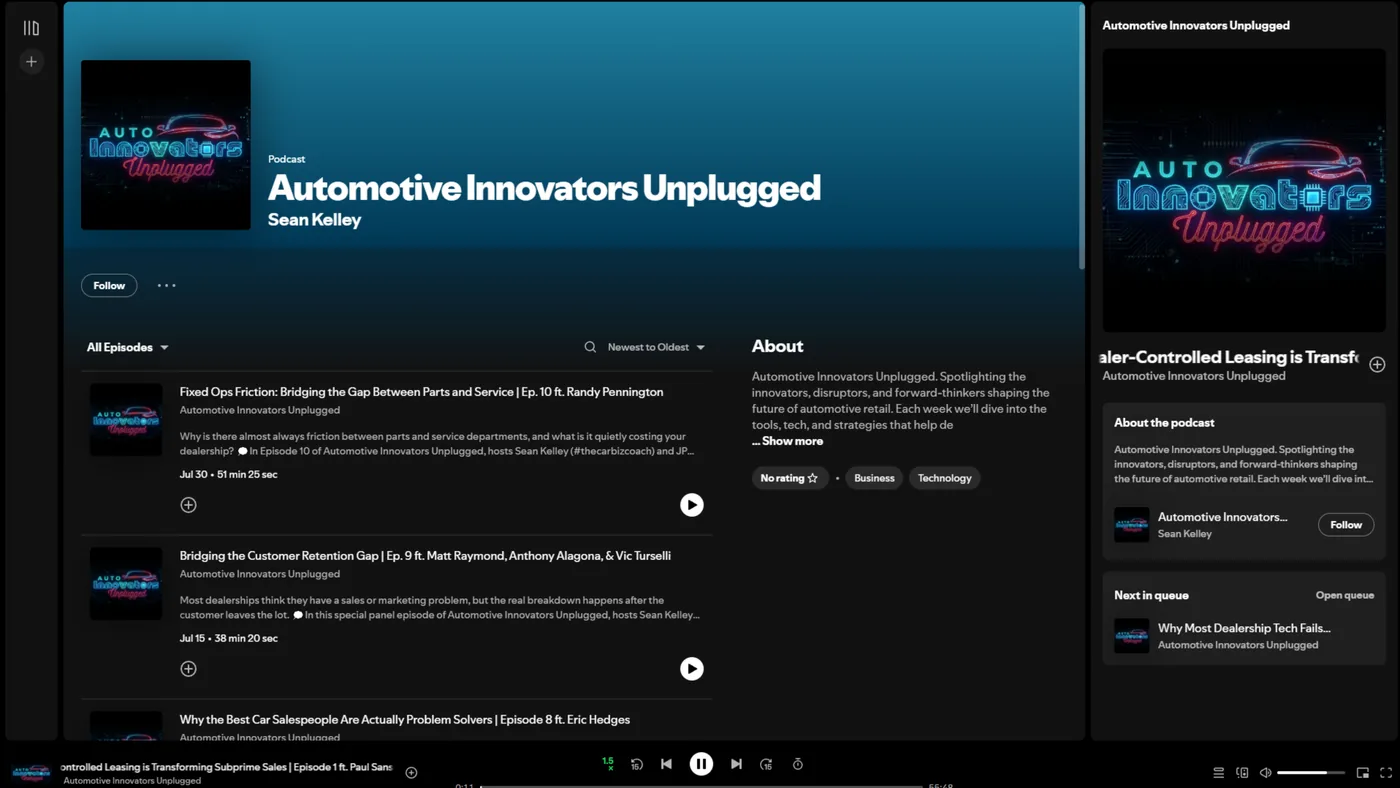
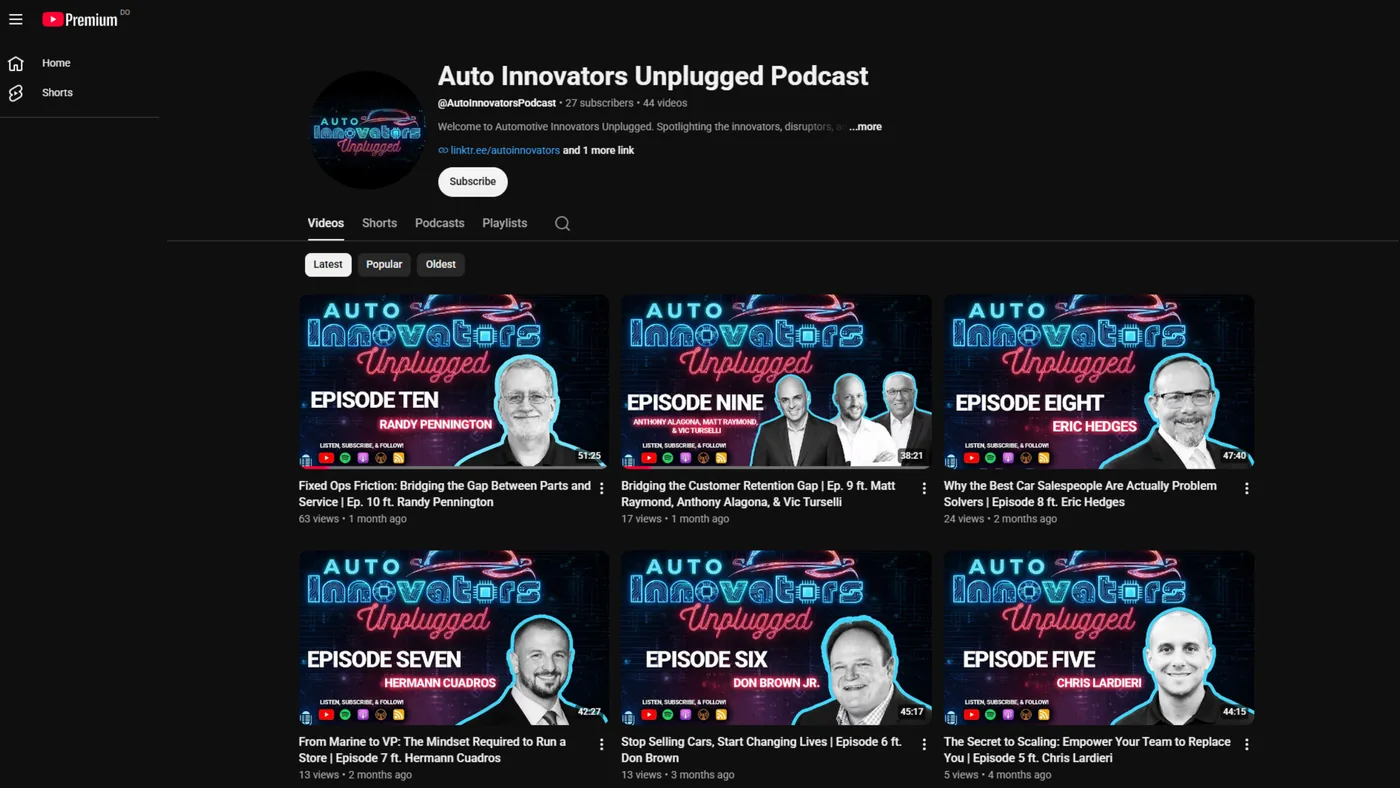
One recording setup can support both experiences.
The episode can end.
The content doesn't have to.
Strong podcast moments can support social media throughout the days or weeks around an episode instead of being promoted once and forgotten.
A podcast can also
be a YouTube series.
Video episodes create another discovery path and generate source material for shorts, clips and additional visual content.
Platforms host the episodes. Your website can hold the ecosystem.
A dedicated digital home can explain the show, organize episodes, feature guests, support email capture and connect podcast content to the broader brand.
Different shows
need different production support.
“We have the idea but don't know how to turn it into a consistent show.”
Build the show and the system behind it at the same time.
“We already record consistently. We need someone to handle post-production.”
Keep the recording process you already have and remove the editing bottleneck.
“Our podcast is audio-first, but we want to grow the visual side.”
Extend the existing show into a visual content system.
“We publish every episode, but most of the conversation disappears afterward.”
Get more value from conversations you're already creating.
“We want the show, but we don't want another operation for our internal team to manage.”
Bring the production pieces into one connected workflow.
Starting a podcast is exciting.
Maintaining one is the work.
The first episode gets attention because everything is new. The challenge is building a process that still works at episode 10, episode 25 and episode 50.
Consistency comes from the system behind the show.
One conversation.
A complete content system.
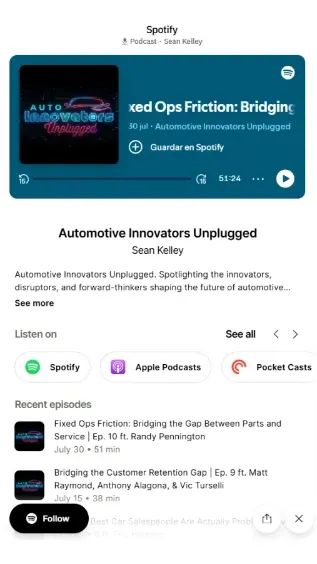
A long-form automotive podcast built to live far beyond a single episode.
Build a repeatable video content system around Automotive Innovators Unplugged — creating a strong long-form foundation while giving every conversation the potential to extend across multiple platforms and formats.
One long-form recorded conversation.
Each episode brings together hosts Sean Kelley and JP Burkemper with automotive leaders, operators and innovators discussing technology, leadership, dealership operations and the future of automotive retail.
Tasking shaped the source material into a polished long-form episode and a structured content package designed to make each recording work beyond its original runtime.
Rather than treating the podcast as a single video, the content was approached as a reusable system.
The content was designed to work across the show's broader digital ecosystem, including:
One recording could therefore support both the primary episode and the content surrounding its release.
Automotive Innovators Unplugged launched as an ongoing automotive industry podcast and reached 10 publicly released episodes in its first season.
The published episodes feature automotive leaders and operators discussing sales, fixed operations, dealership technology, leadership, customer retention and the changing automotive retail landscape.
The show established an active presence across long-form video, podcast platforms and social media.
Hear the show.
See everything around it.
The Location Independence Podcast explores what it takes to build a business and lifestyle without being tied to one place.
Through real conversations, expert perspectives and practical insights, the show covers entrepreneurship, remote work, productivity, personal growth, financial freedom and the realities of living and working from anywhere.
Tasking helped extend the podcast beyond the episode itself, creating a visual and digital ecosystem around the show across long-form video, short-form content, social media and its dedicated website.
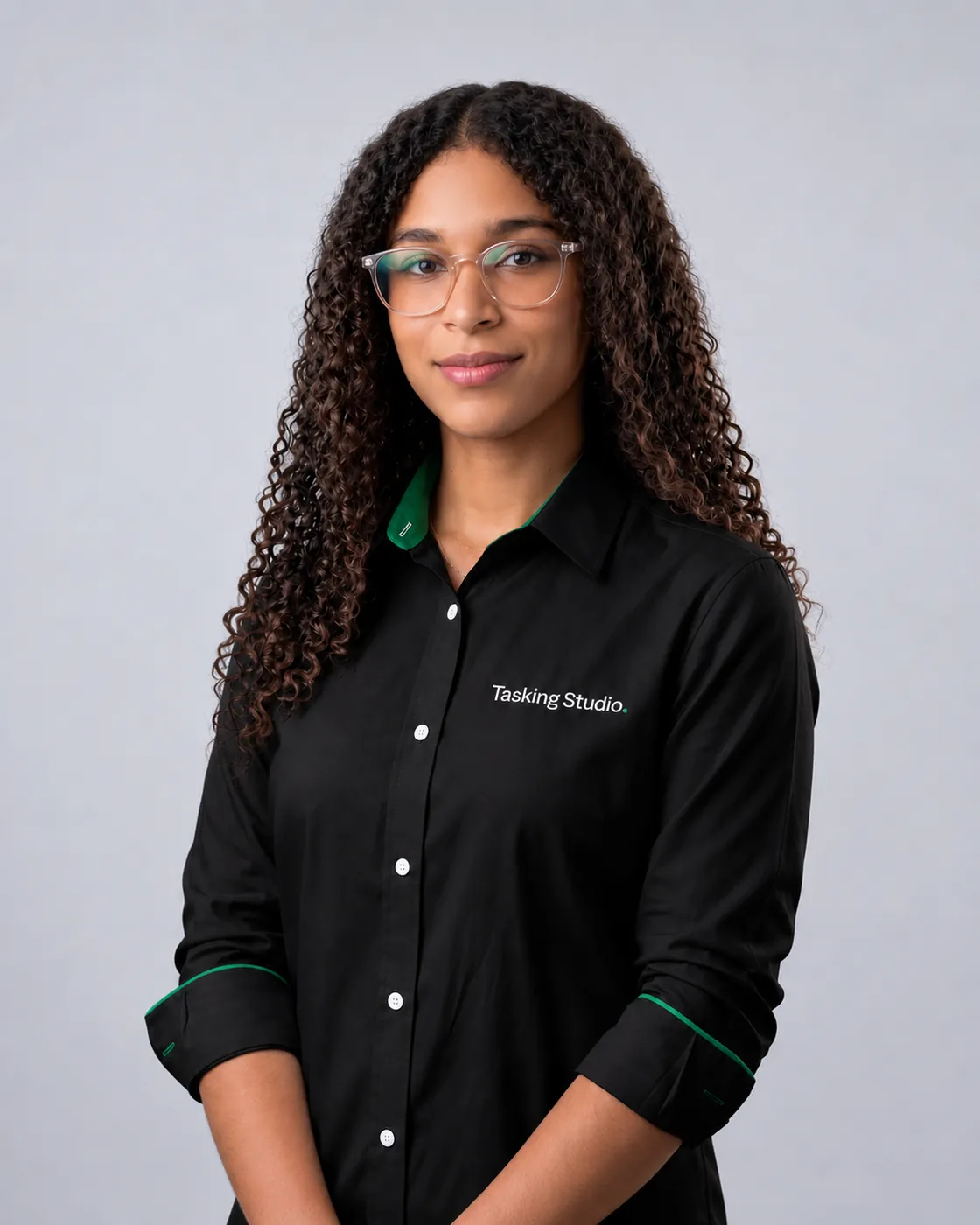
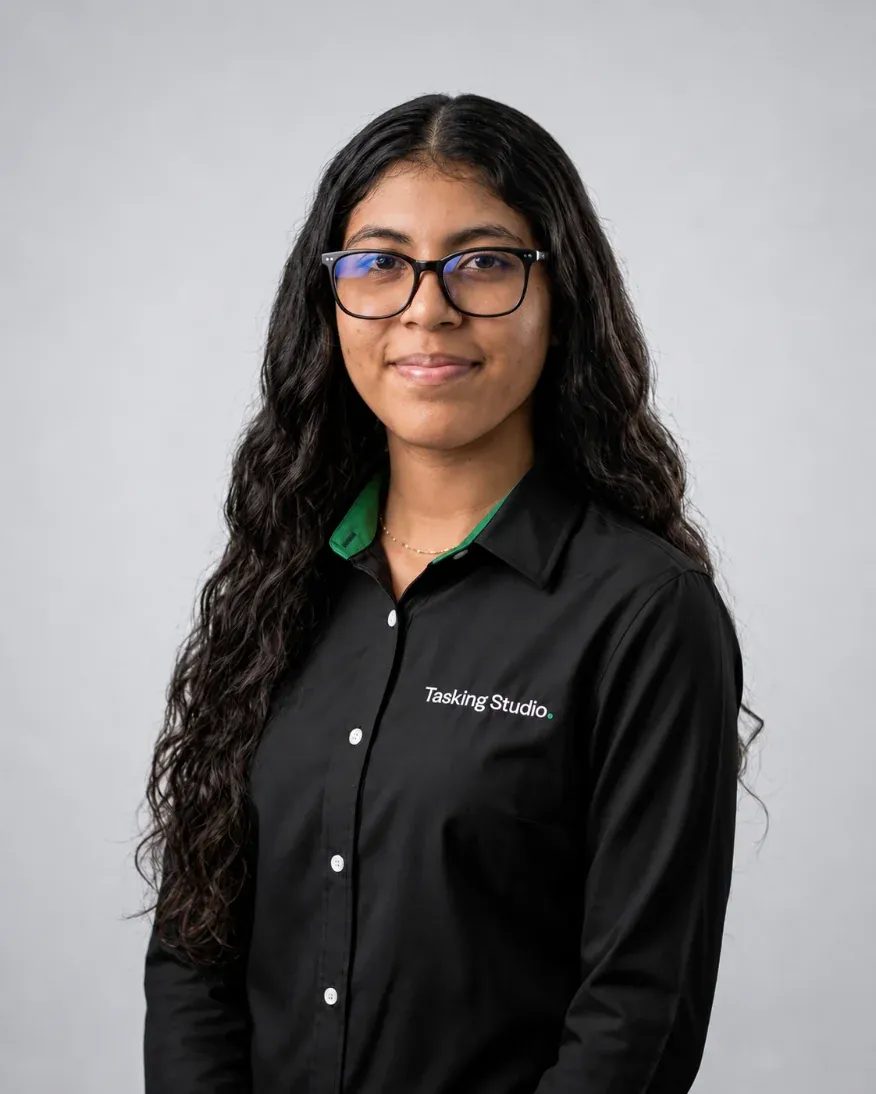
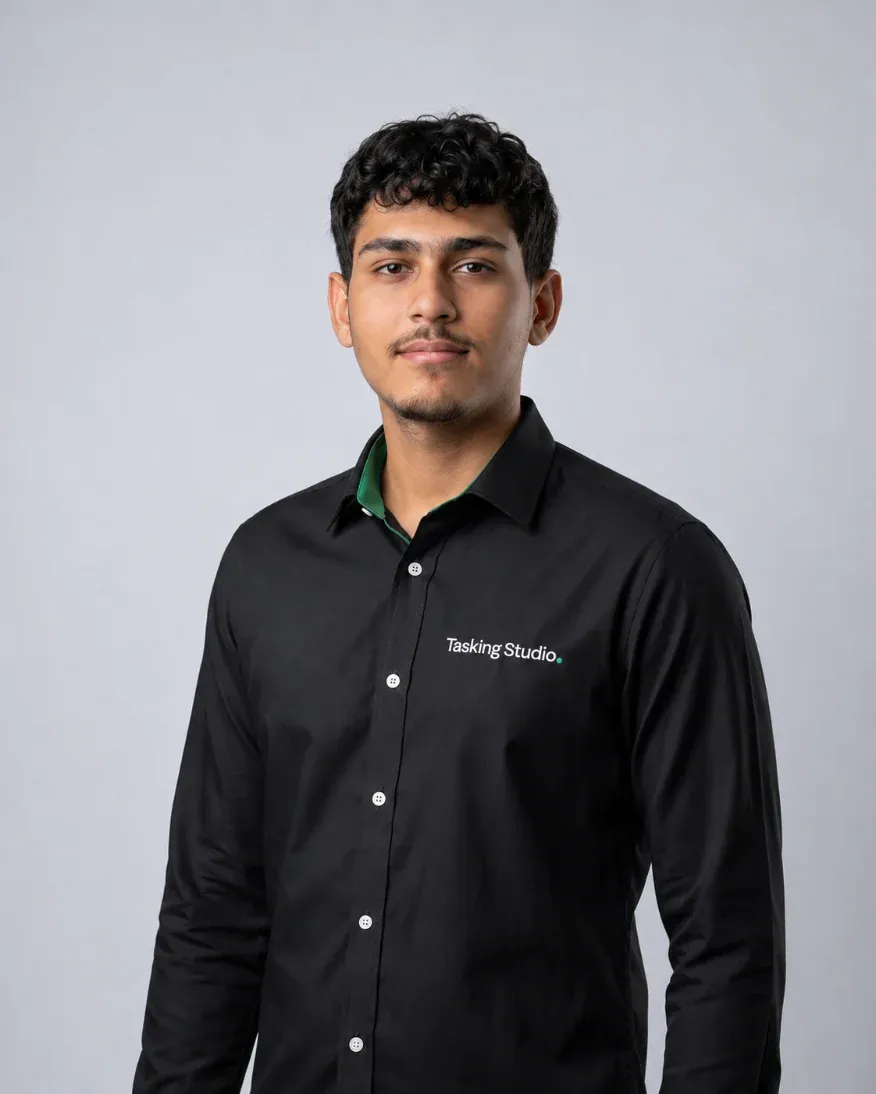
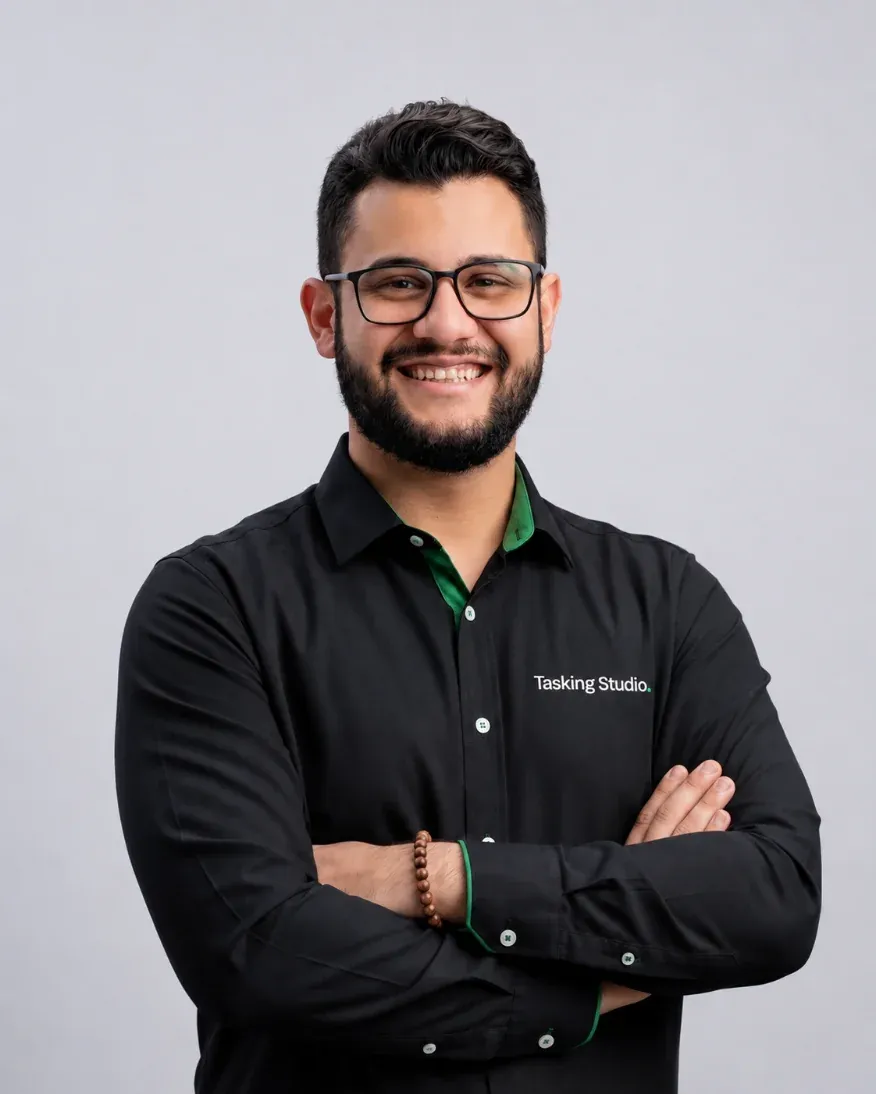
Different skills
behind every episode.
A podcast can involve planning, editing, audio, video, graphic design, publishing, social media and marketing — often through the same recurring production cycle.
Need one part
or the whole production system?
You record. Tasking handles post-production.
Tasking creates both the listening and viewing versions of each episode.
You have the podcast. Tasking creates clips and supporting content from it.
Tasking helps prepare and publish the show consistently.
Planning, production, editing, distribution, video and promotion can work together through one team.
Use the podcast support that removes the biggest production burden.
Protect the conversation.
Simplify the production.
Use the content well.
The production process should support the ideas and people at the center of the show — not become the thing that makes the podcast difficult to maintain.
Focus on the conversation.
Build a system around everything else.
Plan it.
Record it.
Edit it.
Publish it.
Extend it.
One podcast. A complete content system.
What kind of show
are you trying to build?
Tell us whether you're starting a podcast, improving an existing production or trying to get more from the episodes you already record. We'll help determine what support makes sense.